

The Shift from Awareness to Conversion
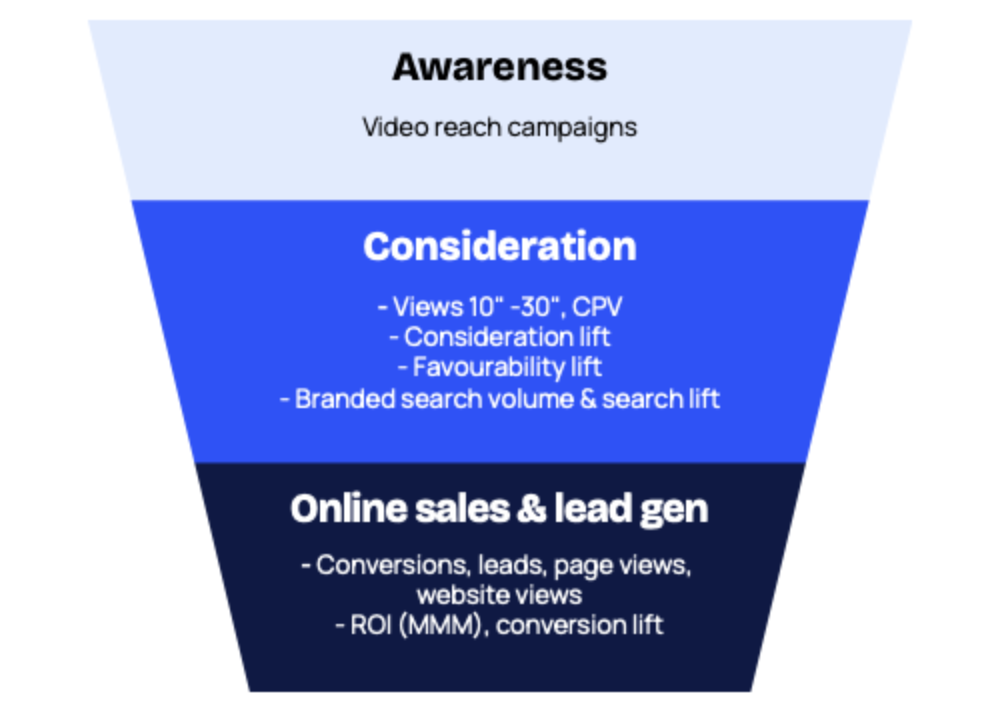
As influencer marketing matures, the focus is shifting from brand awareness to measurable ROI. Traditionally, campaigns were judged by reach and engagement, and success meant hitting a target number of likes, comments, or views. But expectations have changed. Marketers are now asking a more critical question: how does this drive actual business results? Did engagement translate into purchases?
This shift has fueled the rise of shoppable content. This interactive media includes photos, videos, blog posts, and social content that enables users to purchase directly or seamlessly navigate to product pages. By blending ecommerce with engaging storytelling, shoppable content reduces friction in the buying journey and creates a more fluid, conversion-driven experience.
As a result, influencer content is evolving into a true sales channel, not just a top-of-funnel marketing tactic.
Why Shoppable Influencer Content Matters
Shoppable influencer content matters because of shifting consumer behavior. Social media platforms like TikTok have conditioned users to expect instant gratification, creating an environment that encourages impulse buying. When discovery and purchase happen in the same moment, consumers are far more likely to convert. By making content immediately shoppable, brands can capitalize on this behavior, turning passive scrolling into active purchasing with minimal friction.
Platforms like TikTok Shop and Instagram Checkout are accelerating this shift by enabling users to complete purchases without ever leaving the app. This seamless experience removes traditional barriers, making it easier than ever to act on impulse.
And when it comes to influencers, their role is embedded in the name. They are modern-day curators: trusted voices who shape opinions and guide purchasing decisions. By combining that influence with seamless commerce, brands can turn inspiration into transactions in real time.
What Makes Content “Shoppable”?
So, what exactly makes content “shoppable”? At its core, shoppable content reduces the distance between discovery and purchase, either by embedding products directly into the content or by linking users seamlessly to where they can buy.
At a foundational level, brands can use trackable links, such as UTM parameters or affiliate links, to connect influencer content to conversions. These links allow marketers to measure performance while guiding users directly to product pages.
Social platforms have taken this a step further by building native shopping experiences. Instagram’s Shop and product tagging features allow businesses to integrate their storefronts directly into the platform, enabling creators to tag products in posts, Stories, and Reels so their followers can purchase without leaving the app. Similarly, TikTok Shop allows creators to link products within videos, livestreams, and dedicated product showcases on their profiles, creating a fully integrated shopping experience.
TikTok also offers an affiliate ecosystem on the TikTok Shop Seller Center, where brands can invite creators to earn commissions directly through the platform, simplifying both tracking and payouts. Instagram has begun moving in a similar direction, introducing affiliate tools and expanding product linking capabilities, particularly within Reels, signaling a broader shift toward in-app commerce.
Across all of these formats, the common thread is a seamless user experience. The fewer steps it takes for a consumer to go from inspiration to checkout, the more effective shoppable content becomes.
Types of Shoppable Content
Short-Form Video (TikTok, Reels, YouTube Shorts)
Short-form video allows creators to showcase products in an authentic, engaging way – often integrating them naturally into content like “day in the life” videos, quick demos, or trend-driven posts. This format is especially effective for driving impulse purchases.
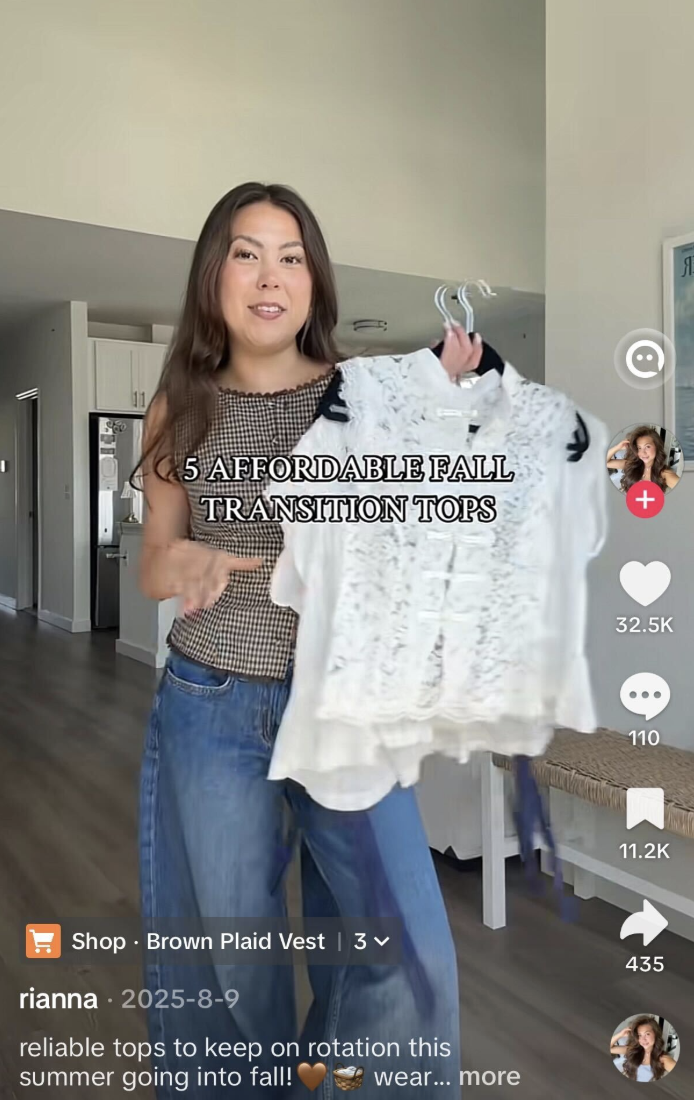
Source: @riannagail
Long-Form Content (YouTube, Blogs, Substack)
Longer content formats provide space for deeper storytelling, such as tutorials, reviews, or product comparisons. Shoppability is enabled through links in video descriptions or hyperlinked within blog copy, guiding users directly to purchase.
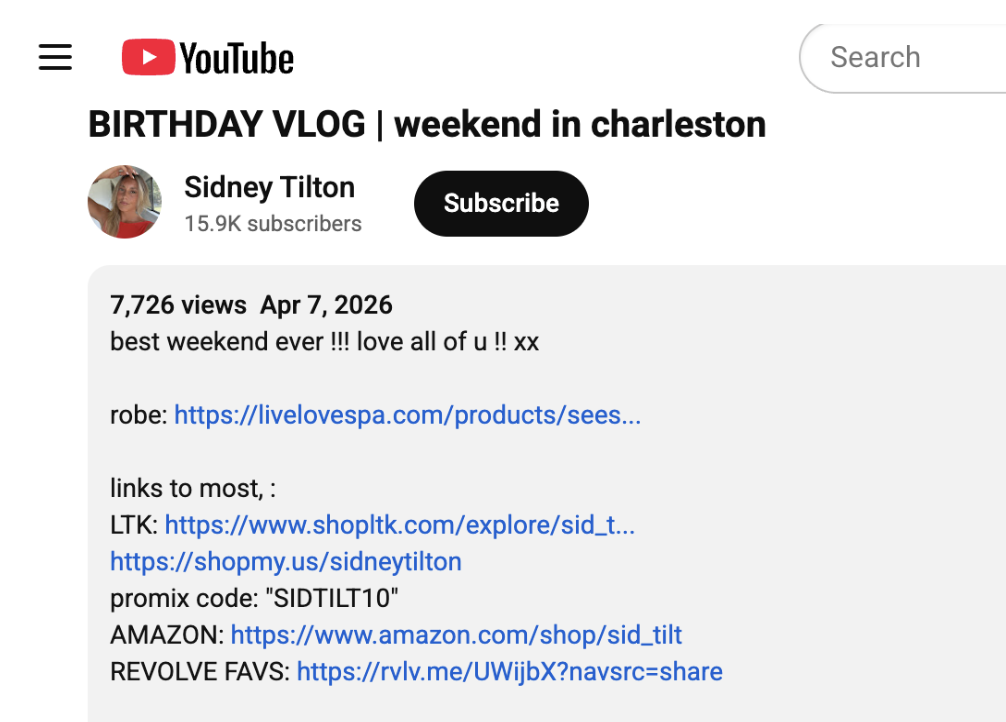
Source: @sidtilt
Livestream Shopping (TikTok)
Livestream shopping, particularly on TikTok, enables real-time interaction and purchasing. Creators can pin products directly from their TikTok Shop showcase during a live session, allowing viewers to buy instantly while engaging with the content.
Static Posts & Stories (Instagram)
Static content like feed posts, carousels, and Stories can be made shoppable through product tags and link stickers, which can be customized with text. These formats offer a simple, low-friction way for users to explore and purchase featured products.

Source: @clarapeirce
How Brands Can Enable Shoppable Content
When building shoppable campaigns, brands should prioritize creator selection based on purchase intent – not just reach. A large following doesn’t always translate to conversions, so it’s critical to vet creators for how effectively they integrate shoppable tactics. This includes using features like link-in-bio tools, Instagram Story links, product tags, or maintaining a TikTok Shop Showcase.
Beyond audience size, brands should evaluate performance metrics such as engagement rate to ensure the creator has an active, responsive audience that is more likely to convert.
To support measurement and optimization, brands should equip creators with trackable assets like UTM links or exclusive discount codes. These tools not only streamline the path to purchase but also provide clear visibility into campaign performance, helping brands understand what’s driving real revenue.
Best Practices for High-Converting Shoppable Content
Creating shoppable content is only the first step—ensuring it actually converts is where the real strategy comes in. At the core of every successful campaign is authenticity. When briefing creators, brands should emphasize the importance of producing content that not only aligns with brand values but also fits naturally within the creator’s existing niche. Audiences are far more likely to engage—and convert—when the content feels genuine rather than forced.
Clear and compelling CTAs are also critical. Especially in short-form video, incorporating a strong CTA within the first few seconds can capture attention and guide viewers toward taking action before they scroll away.
Creator alignment is equally important. Partnering with influencers who genuinely resonate with the brand’s mission helps ensure the content feels organic, increasing both trust and performance.
Finally, campaigns should be tailored to the nuances of each platform. TikTok content tends to perform best when it feels casual, trend-driven, and native to the platform, while Instagram often favors more polished, curated visuals. Adapting creative to match user expectations on each platform can significantly impact conversion rates.
Measuring Success
Since shoppable content is correlated to driving revenue, then the way you measure success needs to align with this objective. Engagement in a report is a win, but these don’t directly generate revenue.
Here are the metrics that actually tell you if your influencer content is working:
Click-Through Rate (CTR)
First things first – are people taking action? CTR tells you whether your content and CTA are strong enough to move someone from scrolling to clicking. If this number is low, your hook or messaging likely isn’t landing.
Conversion Rate
Clicks are great. Conversions are better. This is where you see if your content – and the shopping experience behind it – actually closes the deal. A strong conversion rate means you’re not just grabbing attention, you’re driving real intent.
Engagement vs. Sales
Here’s the reality: high engagement doesn’t always mean high revenue. Some posts go viral but don’t convert, while others drive serious sales. The key is understanding what kind of engagement actually leads to purchase and doubling down on that.
The Attribution Problem
The path to purchase isn’t always linear. A user might see a product on TikTok, research it on Instagram, and convert somewhere else entirely. That makes attribution messy. The fix? Use trackable links, affiliate codes, and platform analytics to piece together the journey and get a clearer picture of what’s working.
Test, Learn, Repeat
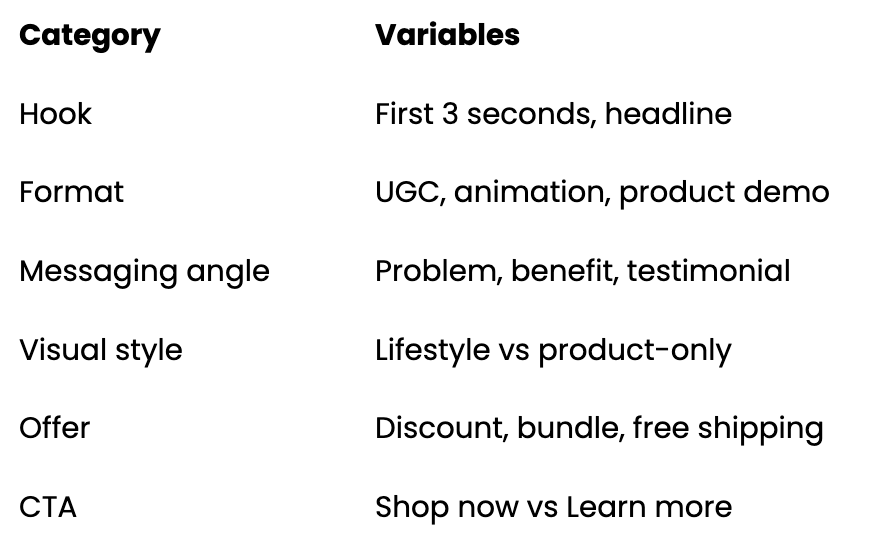
There’s no perfect formula here. The brands winning in shoppable content are the ones constantly testing: different creators, hooks, CTAs, and formats. The more you iterate, the faster you find what drives real revenue.
The Future of Influencer Commerce
Shoppable content isn’t just a trend, it’s the foundation of where influencer marketing is headed. As platforms, creators, and brands continue to evolve, the line between content and commerce will only get thinner.
AI-Driven Personalization
The next wave of influencer commerce will be powered by personalization at scale. Algorithms are already curating content feeds, now they’re starting to shape shopping experiences too. Expect to see more tailored product recommendations based on user behavior, preferences, and past purchases. For brands, this means influencer content won’t just reach audiences—it will reach the right audiences at the right moment, increasing the likelihood of conversion.
In-App Checkout Expansion
The goal is simple: keep users on-platform from discovery to purchase. Platforms like TikTok and Instagram are investing heavily in native checkout experiences, removing the need to redirect users to external sites. As these features expand and become more seamless, friction will continue to drop and conversion rates will rise with it.
Creator-Owned Storefronts
Creators are no longer just promoting products, they’re becoming retailers in their own right. With tools like TikTok Shop, Amazon Storefronts, and link-in-bio commerce hubs, influencers can curate and sell products directly to their audience. This shifts the dynamic from one-off partnerships to long-term, creator-led commerce ecosystems where trust and consistency drive repeat purchases.
The Blurring of Content, Ads, and Retail
Perhaps the biggest shift is that these categories are starting to merge. A TikTok video can be entertainment, an ad, and a storefront all at once. The most effective content doesn’t feel like advertising—it feels native, engaging, and actionable. As a result, brands will need to rethink how they approach campaigns, focusing less on traditional ad formats and more on content that seamlessly integrates into the user experience.
The Bottom Line
Influencer marketing is no longer just about visibility—it’s about velocity. The speed at which a consumer can move from discovery to purchase is now a defining factor in campaign success. Shoppable content bridges that gap, turning passive engagement into measurable action.
As platforms continue to integrate commerce more deeply and creators take on a greater role in driving sales, the brands that win will be the ones that adapt early. This means thinking beyond reach, prioritizing seamless user experiences, and treating influencer content as a core revenue channel—not just a marketing play.
In a landscape where attention is fleeting, the ability to convert in the moment isn’t just an advantage, it’s the new standard.