Affiliate Marketing

2026 Digital Marketing Trends: Expert Predictions for Paid Media & Ecommerce

2026 Digital Marketing Trends: Expert Predictions for Paid Media & Ecommerce

Every January, the digital marketing world floods with predictions: some insightful, many recycled, and a few wildly off base. But 2026 feels different. We're not just watching incremental platform updates or minor algorithm tweaks anymore. We're witnessing fundamental shifts in 2026 marketing trends: how consumers discover products, how platforms deliver ads, and how marketers prove their work actually matters. The gap between brands that adapt and those that cling to old playbooks is about to become a chasm.

So we asked our team at Revel Marketing Partners where they think the industry is headed this year. What follows isn't speculation from the sidelines. These are predictions from the directors and leaders who are already navigating these changes with our clients, and who have strong opinions about what's coming next.

Revel Marketing Partners’ 2026 Digital Marketing Predictions

AI and Headless Commerce Are Reshaping the Shopping Experience

Kayla Faires, Founder & CEO:

"The future of digital marketing is about rebuilding infrastructure so you can move as fast as the platforms change. Two shifts are converging: headless ecommerce architectures, and agentic search systems where AI answers questions and makes recommendations before consumers reach your brand. Creative velocity and experimentation speed now determine ROAS, and legacy platforms are making it harder and harder to deliver. At the same time, discovery is shifting from queries to AI-mediated recommendations. Brands will compete less on keyword ownership and more on structured, machine-readable truth: clean product data, pricing logic, availability, and positioning that agents can interpret and recommend. As automation increases, judgment becomes the differentiator. The winners will pair flexible infrastructure with authentic brand building. Brands that actually stand for something and show their authenticity, while also leaning into new tech will compound advantages while others optimize yesterday's funnel."

Michele Keating, Account Director:

"Short-form video, AR try-ons, and creator demos won't just support ecommerce—they'll replace traditional PDPs. Live shopping will become the default, and UGC becomes the most trusted conversion asset."

AI-Powered Search and the End of Traditional Search Behavior

Abby Peterson, Director of SEM:

"2026 will mark the inflection point for paid search as AI advertising platforms fundamentally compress the user research journey. What once took 10+ searches now happens in a single ChatGPT conversation. Google Paid Search will remain a revenue powerhouse, but declining traffic volumes and intensifying CPCs will force a strategic reckoning: we can no longer afford to bid broadly. Success in this new landscape belongs to marketers who get ruthlessly selective with keyword targeting, double down on high-intent bottom-funnel terms, and maximize every click with precision audience strategies. The brands that will win aren't fighting this shift, they're adapting their strategies across both ecosystems while search is still profitable."

Brandon Elston, Paid Media Specialist:

"Brands that invest in GEO to appear in LLMs like ChatGPT & Gemini, will finally see a noticeable impact on purchases, especially from new customers. With the introduction of Universal Commerce Protocol (UCP) and direct integration of ChatGPT to Shopify, it is becoming increasingly more beneficial for consumers to shop on LLMs compared to search engines. This is because users can shop products across brands and make a purchase all in one ecosystem without browsing dozens of sites for inventory, products, or to find the best deals. A survey from Centerfield last year showed that the top 3 reasons users shop with AI are getting answers to product questions, comparing products or brands, & getting product recommendations, all top of funnel discovery type searches that could lead to discovering new brands and products."

Raw Creativity and Authenticity Will Beat AI Perfection in 2026

Paige Baugnet, VP of Client Services:

"I predict that we'll continue to see authentically raw and unpolished creative perform exceptionally well in 2026 as a direct counter to AI-generated perfection, particularly as consumers become increasingly skeptical about distinguishing real from fake content. In a digital landscape saturated with polished, algorithm-optimized visuals that all start to look eerily similar, people will actively crave authenticity and realness—the imperfect lighting, the shaky camera work, the unfiltered moments that signal genuine human creation. Brands that lean into this 'intentionally unpolished' aesthetic beyond the existing creator playbook will likely see stronger engagement and trust metrics, as audiences reward the vulnerability and transparency that comes with content that feels unmistakably human."

Jessica Shepherd, Chief Operating Officer:

"In 2026, the digital marketing industry will feel the real disruption not through job loss, but through the loss of excuses for mediocre thinking. As AI makes execution cheap, taste becomes a true competitive advantage—especially for beauty, fashion, and lifestyle brands where differentiation lives in nuance, not volume. The biggest brand risk won't be getting AI wrong; it will be sounding like everyone else who got it 'right.' That's why human review will increasingly serve as the new quality assurance layer—not to slow creativity down, but to protect brand distinctiveness in an automated world."

Marketing Mix Modeling, Diversification and the Shift to Incrementality

Amanda Moorhead, Account Director:

"2026 is going to be all about incrementality and accurate measurement for marketing. Last-click attribution isn't telling enough of the story, privacy changes are throwing a wrench into reporting, and relying on the same old methods is going to bring lackluster results. The brands that will unlock growth are those who can answer one critical question: 'What actually moved the needle?' That's why I'm excited to work with my clients on implementing MMM tools and diversifying their media mix. The future isn't about which touchpoint gets credit—it's about proving which dollars are truly incremental."

Gretta Schultz, Director of Paid Social:

"2026 is the year digital marketing finally gets its "infrastructure" right - better measurement, smarter and more consistent/reliable automation, and creative journeys that prioritize sustainable growth over quick wins."

Ashley Simpson, Director of Affiliate Marketing:

"We predict affiliate programs will prioritize channel diversification and robust partner vetting following high-profile removals like PayPal Honey, while navigating increased FTC enforcement under the Consumer Review Rule that rewards proactive compliance. We expect the industry to accelerate its shift from last-click attribution toward outcome-based models that credit partnership contributions, as both affiliate and creator marketing mature with greater emphasis on measurable ROI over vanity metrics. Affiliate publishers will continue expanding beyond Google Search dependence through multi-channel strategies spanning social platforms, direct traffic, and emerging opportunities like OpenAI's ChatGPT ads. Meanwhile, long-term creator partnerships will become the standard as brands recognize the value of sustained relationships, with emerging content formats and technologies requiring affiliate programs to evolve their partnership structures and compensation models accordingly."

What This Means for Your 2026 Strategy

The through-line in all of these predictions? 2026 rewards the strategic over the reactive. Whether it's demanding proof of incrementality, embracing rough authenticity over AI polish, adapting to compressed search journeys, optimizing for AI-powered discovery, or protecting brand voice in an automated world, the brands that will thrive are those willing to challenge their assumptions and evolve their approach. The tools are getting smarter, the platforms are getting more automated, and the consumer is getting more discerning. Your strategy needs to keep pace. At Revel Marketing Partners, we're not just watching these shifts happen. We're actively helping our clients navigate them. If any of these predictions hit home and you're wondering how to adapt your own marketing strategy, let's talk. Because the future isn't something that happens to you. It's something you build toward, one smart decision at a time.

Honey Terminated from Affiliate Networks: What Brands Should Know

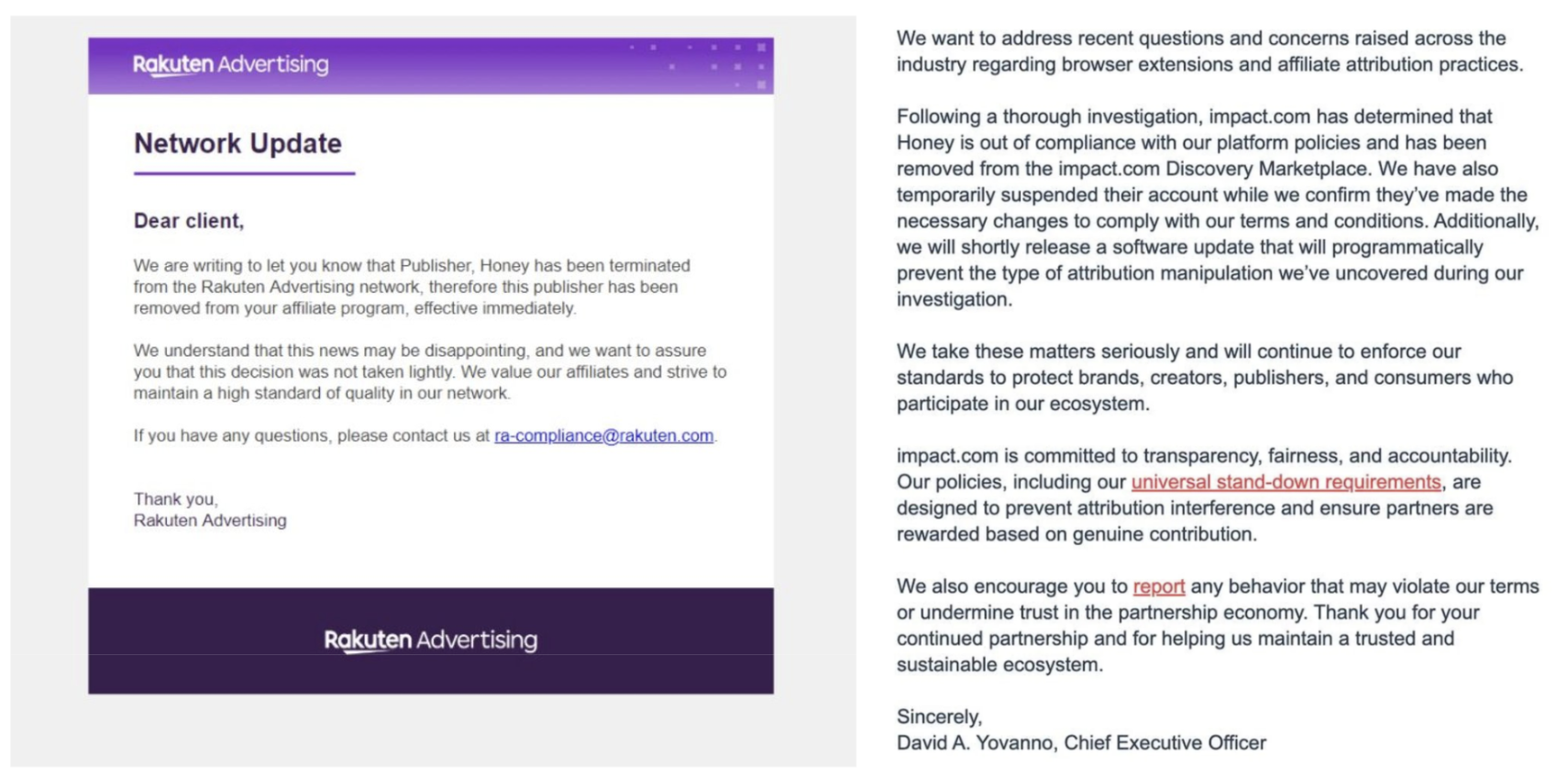
In January 2026, Honey (owned by PayPal) was removed from two major affiliate networks within the span of a few days. Rakuten Advertising terminated Honey from its network effective January 12, cutting off access to roughly 2,000 retail partners. Shortly after, Impact.com removed Honey from its Discovery Marketplace and temporarily suspended its account following a compliance investigation. 

These actions come amid growing attention on attribution practices and code usage behavior tied to browser extensions. While PayPal has since issued a response, the decisions by both networks point to a broader shift in how compliance is being enforced across affiliate programs. While Rakuten and Impact.com have taken action, other networks like CJ Affiliate have not commented, though industry watchers expect similar enforcement could follow.

What Happened

Rakuten Advertising notified advertisers on January 12, 2026 that Honey had been terminated from its affiliate network, effective immediately. Rakuten declined to comment publicly on the decision.

Impact.com followed on January 17, 2026, announcing that Honey had been removed from its Discovery Marketplace and that its account was temporarily suspended. According to Impact.com CEO David Yovanno, the action came after a thorough investigation that found Honey to be out of compliance with platform policies related to attribution practices. Impact.com stated that Honey’s suspension will remain in place while the company verifies that required changes have been made.

Together, these actions remove Honey from two of the largest affiliate ecosystems, significantly limiting its access to merchant partnerships.


PayPal’s Response

After Rakuten’s termination, PayPal issued a response. The company stated that it is aware of the actions taken regarding Honey and is working with Rakuten on a resolution.

PayPal explained that the issue stemmed from legacy code implemented prior to its acquisition of Honey. According to the company, the code impacted less than 0.1% of Honey’s traffic and has since been identified and deactivated. PayPal emphasized that Honey supports billions of shopping trips per year and reiterated its commitment to maintaining a fair and compliant ecosystem.

While PayPal maintains that the issue has been resolved, affiliate networks have continued to take enforcement action based on their own investigations and standards.


Why This Matters

Honey has faced declining revenue for many brands and ongoing challenges around enforcing code usage rules and maintaining program integrity. Networks are increasingly enforcing standards to protect advertiser trust and ensure consistent attribution.

For brands that relied on Honey, these removals may create short-term gaps in affiliate coverage or tracking. However, they also highlight the importance of understanding where affiliate value is truly coming from and how attribution is being earned.

More broadly, this situation reflects growing scrutiny of browser extensions and last-click attribution behavior across the industry.


What Brands Should Do Next

This is an ideal time to reassess your affiliate mix and shift efforts toward partners that offer more control and predictable performance. Brands should review where last-click conversions are coming from, especially at checkout, and confirm that attribution aligns with actual value provided.

If Honey played a meaningful role in your program, expect some redistribution rather than outright loss. Work with your network to identify partners that are likely to benefit and ensure tracking remains stable.

Consider partners like Checkmate, which provide:

  • Exclusive codes that cannot be leaked publicly

  • Easy-to-manage code controls

  • Reliable performance and tracking

Taking proactive steps now helps protect your program, reduce attribution risk, and maintain strong relationships with both affiliate partners and networks.

Revel Interactive’s POV

At Revel Interactive, we see this as part of a broader trend toward transparency and accountability in affiliate marketing. Networks are drawing clearer lines around compliance and partner behavior, and enforcement is becoming more consistent across platforms.

Brands that adopt partners with clear rules, reliable reporting, and measurable value contribution will be better positioned for stability and long-term growth.

Want more context? Read our original January 2025 coverage on Honey and affiliate compliance here.

Sources:

Measuring ROI in Influencer Campaigns: What Metrics Actually Matter

As more brands expand into influencer marketing, the question arises: “how should you measure success in this new channel?”

When it comes to influencer marketing, "ROI" isn't just about sales—or even simple reach. It's about understanding what success looks like for your unique campaign goals and choosing the right metrics to reflect that.

Influencer marketing is here to stay as it continues to dominate on platforms like Instagram and TikTok. 58% of consumers now have TikTok profiles, and 82% of Gen-Z users are on the platform according to Sprout Social. Additionally, 36% of social-driven direct purchases occur on TikTok, making it a proven commerce-enabled medium. 

Once you’ve decided it’s time for your brand to launch an influencer campaign, here are the metrics that truly matter when evaluating success.

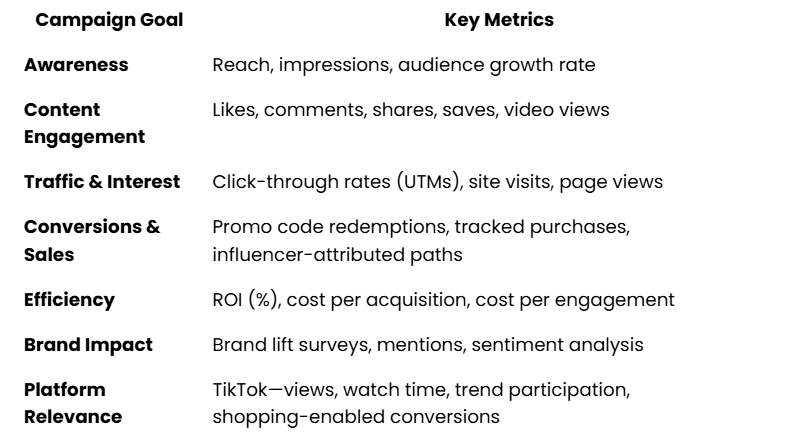
Key Metrics Across the Funnel

According to the Digital Marketing Institute, six essential KPIs to track for an influencer campaign are: traffic, engagement, conversions, brand awareness and sentiment, audience growth rate, and ROI (source: Digital Marketing Institute). 

Traffic (such as clicks and page visits) shows intent, while engagement (likes, saves, comments, shares) reflects content resonance—especially crucial for influencer marketing.

Influencer Marketing Hub also groups success metrics into similar categories: immediate campaign metrics, ROI & sales-related metrics, and brand awareness & sentiment metrics (source: Influencer Marketing Hub). 

  • Immediate metrics: Reach, engagement, click-throughs

  • ROI/sales-related metrics: Conversions, sales value, cost per acquisition

  • Brand awareness & sentiment: Surveys, mentions, sentiment shifts

70% of marketers now measure ROI in influencer marketing campaigns, though about 13.6% still face challenges with measurement. (source: Influencer Marketing Hub). 

At Revel Interactive, we work with our brands to determine KPIs aligned with brand goals as well as where the brand is in their stage of growth. Ie, for a growing D2C brand, we would hone in on Brand Awareness strategies. 

Putting It All Together: The Metrics That Matter

How to Measure and Report Effectively

  1. Align metrics to campaign objectives—set measurable KPIs upfront with the campaign objectives in mind.

  2. Use tracking tools—use UTMs, affiliate links, promo codes, and analytics dashboards to monitor traffic and conversions.

  3. Incorporate sentiment analysis—brand awareness surveys and social listening can uncover shifts in perception.

  4. Benchmark and iterate—compare performance to past campaigns and industry benchmarks.

Final Thoughts

ROI in influencer marketing isn’t one-size-fits-all. It’s not enough to count likes or views. The real success comes from knowing what you want, selecting metrics that align with those objectives, and interpreting them in context—whether that's sales, long-term brand equity, or cultural relevance.

By blending campaign performance with strategic context, you’ll measure not just activity, but real impact.

Interested in launching a creator marketing campaign to complement your existing paid media strategy? Reach out to your Revel account manager to learn more about our creator offerings or reach out through on our website.

Photo: © warrengoldswain from Getty Images Pro

Affiliate Marketing Attribution Explained: Fall Out from the Honey Scandal

THE PROBLEM

On December 21, 2024, YouTuber MegaLag released a video essay accusing Honey, a PayPal-owned browser extension, of generating revenue by replacing creators' affiliate marketing links with its own. This practice, he argued, diverts revenue that would otherwise go to content creators.

This issue isn’t unique to Honey and has been a recurring practice with other browser extensions, like Rakuten Rewards and Capital One Shopping, for years. Content creators say they’re being denied credit for their work. They invest time and resources into promoting products through affiliate platforms, but their earnings can be intercepted. For example, if a shopper discovers a product through a creator’s content but later uses an extension to complete the purchase, the extension’s affiliate gets credit for the sale—and the commission.

PayPal and Capital One Financial Corp. are now facing class action lawsuits from influencers who claim this “last-click” system is a form of theft. They argue these extensions unfairly take credit for sales, diverting commissions that should go to the creators. This ongoing issue continues to raise questions about fairness in affiliate marketing.

ATTRIBUTION MODELS IN FOCUS

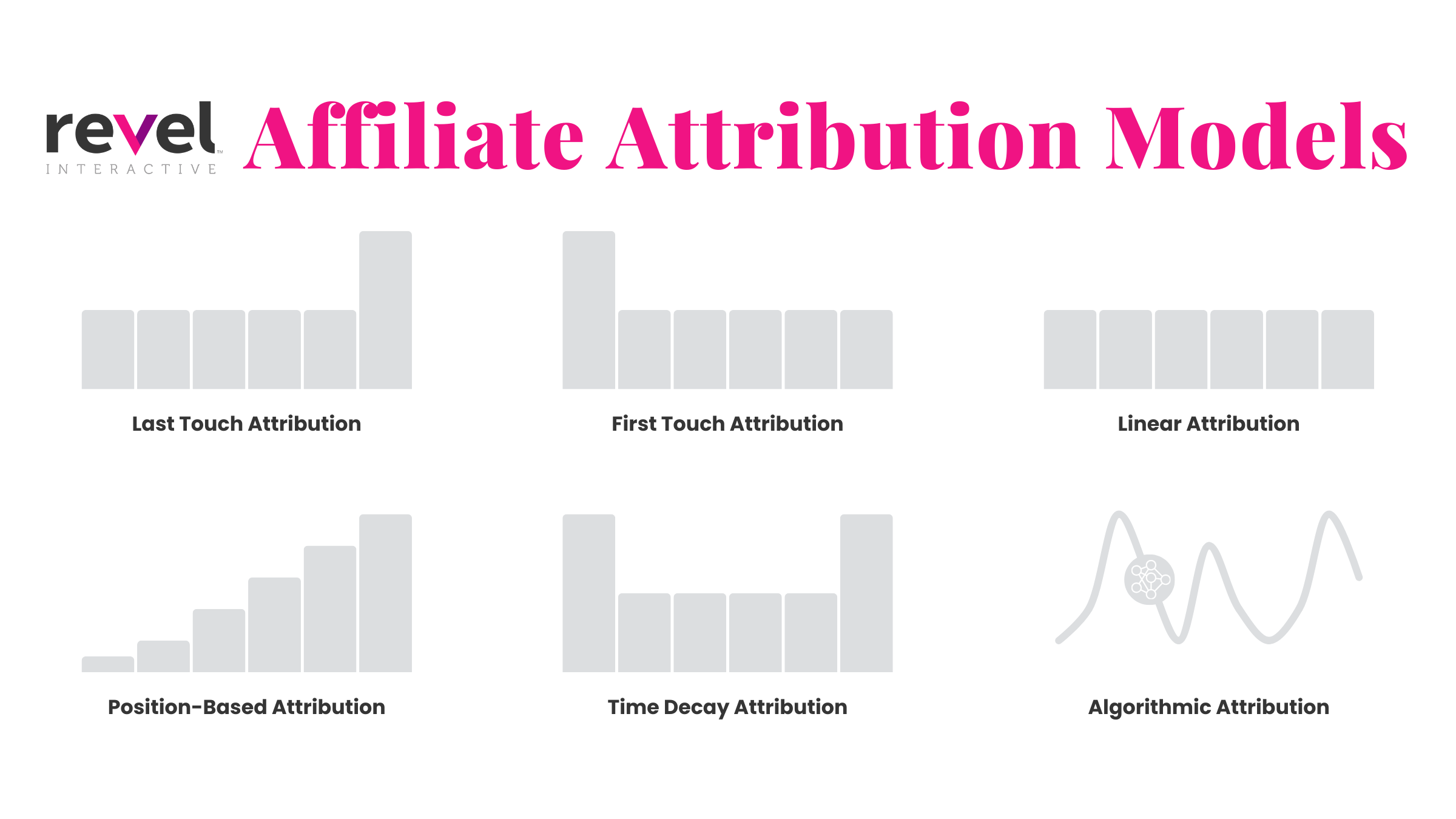
This dispute highlights the significance of attribution models in affiliate marketing:

  • Last-click attribution: Gives all credit to the last touchpoint before a conversion, which is Honey in many cases.

  • Linear attribution model: Distributes credit equally across all touchpoints in the buyer’s journey, ensuring that all contributions are recognized.

  • Position-based attribution model: Assigns more credit to both the first and last touchpoints, recognizing the importance of awareness-building and conversion-driving phases.

  • Time decay attribution model: Allocates more credit to interactions closer to the conversion, reflecting the influence of recent touchpoints.

REVEL’S POV

Honey’s practice of claiming to share the best promotional codes raises ethical questions, particularly as many brands restrict certain codes from appearing on the platform. However, the legal implications remain ambiguous.

While creators view these practices as unfair, the terms governing attribution are typically outlined in affiliate network contracts. The current social media backlash may be a strategic effort by creators to advocate for more favorable attribution models rather than solely a legal dispute.

At the core of this debate is the attribution methodology. Content publishers and creators express frustration when browser extensions like Honey receive credit under last-click attribution systems. Concerns also arise over Honey’s tactics to secure last-click status by encouraging users to activate the extension, even when no discounts are available. However, such practices have been prevalent among coupon and cashback publishers in the affiliate marketing ecosystem for years.

THE CHALLENGE OF UNIFORM STANDARDS

Currently, no industry-wide standard exists for attribution models. Brands collaborate with affiliate platforms such as Impact, CJ, Rakuten, and Ascend to customize their attribution models and manage partner relationships. This lack of uniformity complicates efforts to address these disputes comprehensively.

THE SOLUTION

To protect relationships with creators and publishers, brands can leverage their affiliate networks to adopt attribution models that extend beyond last-click methodology, where it makes sense for the program and goals overall.

RECOMMENDATIONS FOR BRANDS

  • Explore alternative models:

    • First-click attribution: Rewards the initial touchpoint that drove the shopper’s interest.

    • Multi-touch attribution: Credits all touchpoints based on their influence, fostering collaboration.

    • Preferred partner models: Prioritize partnerships with high-value creators to ensure fair compensation.

  • Assess long-term impacts: While last-click attribution may appear cost-effective initially, over-reliance on this model risks damaging valuable publisher partnerships.

By implementing fair and transparent attribution models, brands can maintain trust and foster stronger partnerships within the affiliate marketing ecosystem.

SOURCES


The Future of Marketing: How Influencer and Affiliate Marketing Trends Will Evolve

The world of marketing is changing fast, and influencer and affiliate marketing are leading the charge. These strategies have been game-changers for brands, helping them connect with their audiences, build trust, and boost sales. But guess what? The best is yet to come! As new trends, tech, and consumer habits shake things up, influencer and affiliate marketing are set to get even more exciting.

In this blog, we're diving into how these marketing powerhouses are evolving. We'll chat about everything from the rising demand for authenticity and transparency to the growing popularity of micro and nano influencers. Plus, we'll look at how e-commerce and shoppable content are becoming more intertwined with these strategies. On the affiliate side, we'll explore cool new developments like advanced tracking and the buzzworthy card-linked offers. Get ready to stay ahead of the curve in this ever-changing marketing landscape!

The Evolving Landscape of Influencer Marketing

1. Greater Emphasis on Authenticity and Transparency

With influencer marketing becoming commonplace over the past few years, there has been a greater emphasis on authenticity and transparency amongst influencers. According to Nielsen, 92% of consumers say they trust recommendations from individuals (even if they don’t know them) over brands.

Today’s audiences are quick to sniff out when products are being pushed their way, so it’s vital that brands collaborate with influencers who genuinely believe in their products and create compelling, engaging content. We recommend brands vet influencers based on their past posts and engagement to ensure they align with the brand and your desired audience. High follower counts don’t necessarily equate to a stronger ROI for your brand, and oftentimes, smaller influencers with more engaged followings can deliver more authentic, captivating content.

Transparency has also grown increasingly important in influencer marketing. Influencers must adhere to FTC guidelines regarding disclosing material connections between themselves and brands, and not doing so can damage a brand’s reputation. Also, in order for audiences to trust an influencer and purchase based on their recommendation, influencers should be disclosing their paid promotions by utilizing in-platform disclosure features.

2. Rise of Micro and Nano Influencers

For a long time, most brands assumed that the bigger the influencer, the more impactful it would be to partner with them. However, increasingly, micro influencers (those with 10,000 to 100,000 followers) and nano-influencers (those with 1,000 - 10,000 followers have become the most trusted amongst audiences. This is because these influencers are everyday people who have built their followings based on their passions and interests, rather than because they are celebrities or high-profile people. 

Micro and nano influencers are appealing to brands to work with because they typically don’t require massive budgets and are often able to reach a more niche, target audience. These influencers have demonstrated authenticity with their followers, and therefore their followers are more likely to trust their recommendations and engage with their content. 

As influencer marketing continues to grow as a percentage of brands’ marketing budgets, micro and nano-influencers are charging more for their services (advertisers have seen 10-20% fee jumps YoY, according to Digiday). This growth in costs is due to a variety of factors: the maturing of influencer marketing as an industry, increased pay and deal transparency, and the evolution of influencer partnerships beyond social media to include event appearances, content usage rights, etc. Given rising costs, brands are expanding their strategies to include launching brand ambassador programs, negotiating pricing via long-term contracts, and enhanced gifting programs in exchange for content.

3. E-commerce Integration and Shoppable Content

Influencer marketing and e-commerce go together perfectly. Shoppable content, like interactive product tags and in-post purchase links, transforms your content from passive to active, allowing customers to click and buy without ever leaving the page. A prime example of this is Amazon’s “Amazon Live” feature where influencers and brand ambassadors host live streams to showcase products and interact with viewers in real-time. Some streams offer a peek behind the curtain at product development or share stories about the creation process, adding an authentic touch and fostering a deeper connection between the brand and its audience. By harnessing the genuine appeal of influencers and the sophisticated features of social platforms, brands can boost sales, increase engagement, and forge lasting relationships with consumers.

4. Growth of B2B Influencers 

Although most people think of influencer marketing in the context of B2C brands, B2B influencer marketing is one of the biggest opportunities in B2B marketing strategies today. The global B2B eCommerce market is worth 5x that of the B2C market, so there exists huge opportunities for companies to work with industry leaders, decision makers, and professionals to boost their brand awareness and sales. 

Research by TopRank Marketing found that 88% of B2B marketers saw an increase in brand reputation and 72% saw an uptick in brand awareness through authentic influencer collaborations. Similar to B2C influencer marketing, it’s vital that companies partner with influencers with similar target audiences to their own and who align with their brand messaging. 

The Future of Affiliate Marketing

1. Enhanced Tracking and Attribution

Affiliate tracking captures essential data for marketers implementing affiliate programs - including clicks, traffic, and conversions. It’s important for affiliate marketers to utilize tracking and attribution tools to monitor and analyze the performance of their campaigns. Tracking methods include cookie tracking, such as first-party and third-party cookies (though the latter are being phased out due to privacy concerns), pixel tracking, API tracking, and Server-To-Server Tracking, which is also called “cookieless tracking.” 

As regulations evolve and browsers move away from cookie-based tracking, it is important that marketers stay up to date on compliance trends and ensure their affiliate platform provides enhanced alternative tracking solutions. In addition, cross-device tracking has grown increasingly important to follow the customer journey between mobile and desktop. 

Overall, we recommend brands choose an affiliate platform that suits their tracking needs and has modern tracking capabilities evolving with the current compliance landscape. 

2. Increased Focus on Quality Content and Value

With the rapid rise of social commerce in recent years, it's more crucial than ever for brands to collaborate with affiliates who consistently deliver high-quality content. If the content is dull or uninspired, brands will struggle to forge meaningful connections with their target audience. Encouraging affiliates to consistently create top-tier content can yield significant returns for brands.

Collaborating with affiliates, influencers, or ambassadors who can create high-quality content is one of the most effective ways for a brand to build and maintain audience engagement and trust. It's essential for brands to offer content that not only addresses their audience's needs but also deeply resonates with them. By delivering quality content, brands lay the foundation for a strong relationship with their audience, where trust plays a vital role.

3. Card-linked offers

Breaking away from traditional business models and shaking up the affiliate scene are now card-linked offers (CLOs). These can significantly enhance a brand’s program by expanding the publisher landscape beyond the usual focus on coupon, deals, loyalty, and content publishers. This approach not only benefits consumers but also drives sales and strengthens brand loyalty. Retailers can use this channel to offer enticing rewards, such as cashback offers, encouraging shoppers to choose their brand over competitors. The seamless integration into the customer’s purchasing process enhances convenience, deepening the relationship between the customer and the brand.

Navigating the Future

Looking ahead, influencer and affiliate marketing will keep leading the innovation charge. They’ve already revolutionized how brands connect with consumers, and their impact is set to grow even more. With a rising emphasis on authenticity, the spotlight on micro and nano influencers, and cool advancements in e-commerce and tracking, there’s a world of opportunities for brands. Embracing these trends and fine-tuning your strategies will supercharge engagement and fuel lasting growth in the ever-evolving digital scene.


Photo: © warrengoldswain from Getty Images

Mastering Affiliate Marketing: Effective Content Strategies for Success

Mastering Affiliate Marketing: Effective Content Strategies for Success

There has never been a better opportunity to monetize your content as an affiliate marketer. Nearly 40% of affiliate revenue in the U.S. is earned through blogs & content and the opportunities are increasing every year. Let's dive into some proven content strategies that work wonders for affiliate marketing, from informative product reviews to engaging listicles.

Why It’s Time To Invest In Influencer Marketing

Why It’s Time To Invest In Influencer Marketing

Influencer marketing has become increasingly popular in recent years as more and more consumers are utilizing social media to discover new products and services. It’s an effective strategy for brands to reach their target audience in an authentic and engaging manner, as influencers provide a personal touch that traditional advertisements may lack. The content is displayed in a variety of forms, including social media posts, blog posts, videos, or product reviews. The intent is to leverage the influencer's reach and impact to increase brand awareness, drive traffic to the brand's website, and ultimately boost sales. With the recent rise in social media platforms such as Tiktok, influencer marketing has become a primary advertising focus for many brands. In the past year, 81% of consumers reported that social media posts from influencers, friends, or family members drove interest in an item or service.